East China city guide
Nanjing
Historic sites, museums, city walls, lake walks, and Jiangsu rail connections.
Where to go in Nanjing
Walls, lakes, and outdoor Nanjing
Nanjing's strongest outdoor routes are spread across separate wall gates, lake shores, and wooded hills, so define the entrance and finish point before setting out.
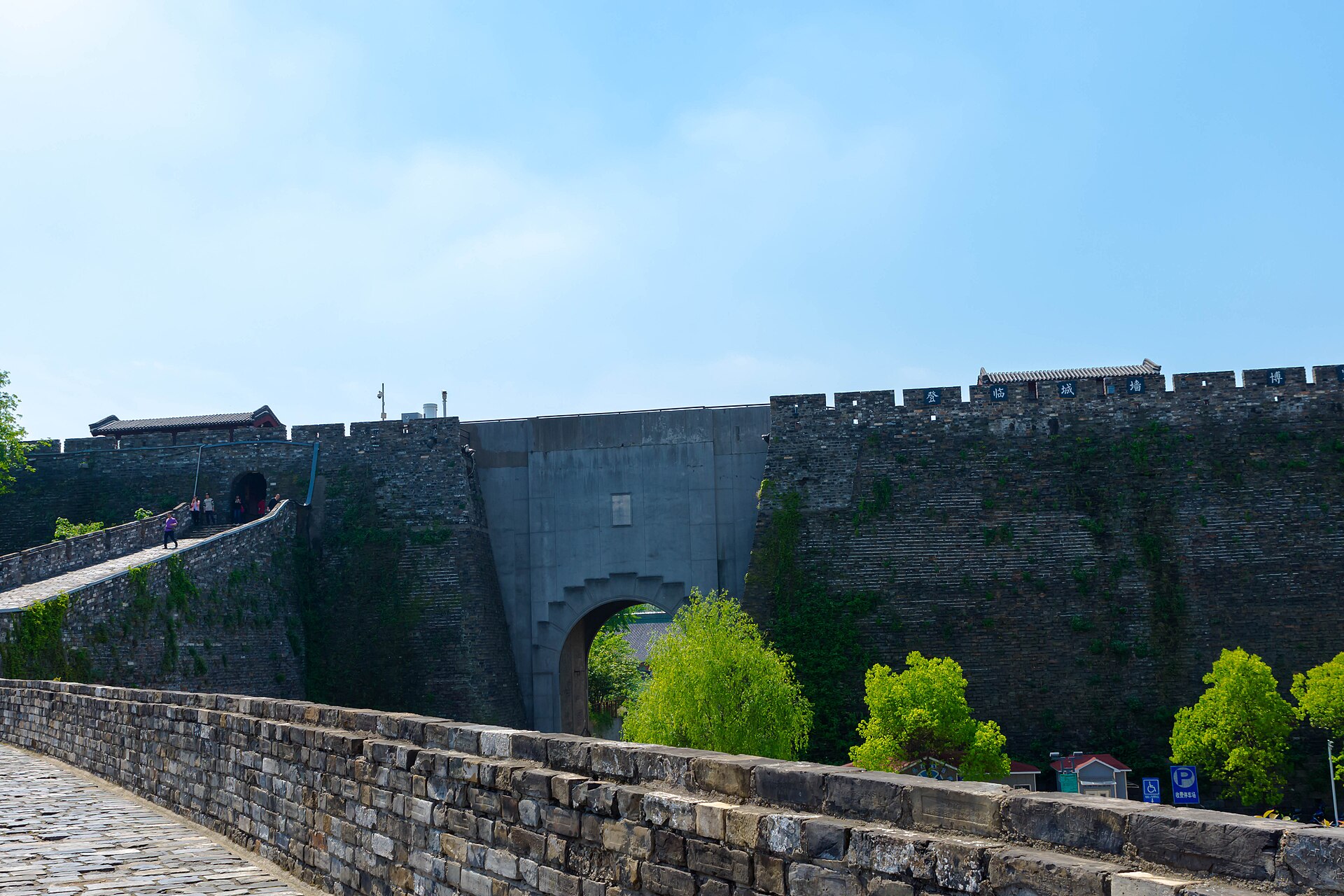
Ming fortification, elevated walk, and old-city viewpoint
Nanjing City Wall from Zhonghua Gate
- Best for
- Urban history, architecture, broad views, and a half-day that connects naturally with the south-city lanes
- Why go
- Zhonghua Gate shows the wall as a complex defensive structure rather than a backdrop, while the open ramparts reveal how waterways and neighborhoods shaped the old capital.
- Best time
- Morning or late afternoon in dry, moderate weather; avoid exposed wall time during thunderstorms, ice, strong wind, or peak summer heat.
- How long
- 2-3 hours for the gate and one open wall section.
Nearby pairings: Laomendong, Bao'en Temple area, Qinhuai River evening, Yuhuatai on a separate block
Practical note: Wall sections use separate entrances and may not connect continuously. Confirm the currently open Zhonghua Gate access, intended exit, and last admission before climbing.
Urban lake, park islands, temple exterior, and wall views
Xuanwu Lake and Jiming Temple wall loop
- Best for
- Easy outdoor time, skyline views, seasonal trees, and a flexible arrival-day walk
- Why go
- The lake places Nanjing's wall, Purple Mountain, modern skyline, and everyday park life in one readable landscape without requiring a full scenic-area day.
- Best time
- Early morning or the last two hours before sunset; spring blossom periods and public holidays can be exceptionally busy.
- How long
- 2-4 hours depending on the chosen gate and island circuit.
Nearby pairings: Jiming Temple, Taicheng wall section, Nanjing Station, Hunan Road dinner
Practical note: The shoreline is much larger than it appears on a map. Choose one gate, one short island or lakeside loop, and a specific exit near the next metro stop.
Neighborhoods and local street life
Pair one polished historic quarter with quieter residential streets, and remember that photogenic lanes remain working neighborhoods.
Restored historic quarter, residential lanes, crafts, and snacks
Laomendong and the south-city lanes
- Best for
- An unhurried old-city walk, small shops, street food, and a bridge between Zhonghua Gate and Qinhuai
- Why go
- The main lanes are visitor-oriented, but a carefully bounded walk around the district still shows the scale, brickwork, food traditions, and street pattern of southern Nanjing.
- Best time
- Late morning before the evening rush, or late afternoon for dinner; weekdays are calmer than holiday nights.
- How long
- 2-3 hours, longer with a meal or nearby wall visit.
Nearby pairings: Zhonghua Gate, Bao'en Temple area, Confucius Temple, Qinhuai River
Practical note: Stay on public lanes, avoid photographing into homes, and use a named gate or restaurant as the ride-hailing pin because cars cannot reach every pedestrian street.
Tree-lined residential quarter and Republican-era architecture walk
Yihe Road and Ninghai Road
- Best for
- Quiet streets, architecture, cafes, and visitors wanting a less commercial central-Nanjing block
- Why go
- The district adds a human-scale view of twentieth-century Nanjing, with shaded streets and varied residences that contrast with the monumental Republican sites.
- Best time
- A dry weekday morning or late afternoon when residential streets are quieter.
- How long
- 90 minutes to 3 hours for a respectful, self-guided loop.
Nearby pairings: Nanjing Normal University area, Gulou, Qingliangshan Park, Hunan Road
Practical note: Many buildings are residences, offices, or restricted compounds. Photograph only from public space, obey signs, and plan the route around named public streets rather than private villas.
Museums and layered history
Nanjing's major museums cover different eras and often require passport-linked reservations, so verify the exact institution before crossing the city.
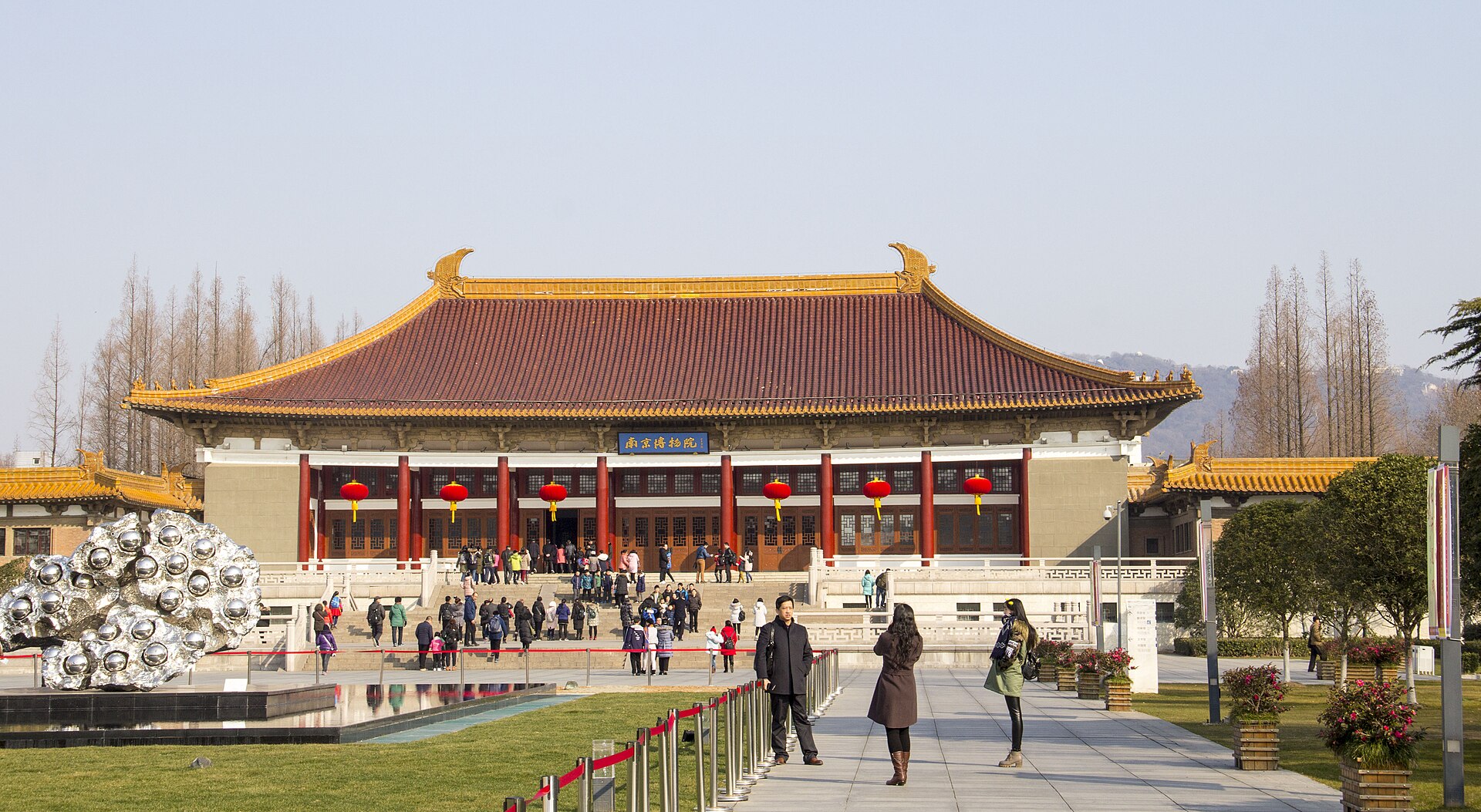
Provincial archaeology, art, history, and culture museum
Nanjing Museum
- Best for
- A major indoor history day, rain or heat, archaeology, decorative arts, and first-time context
- Why go
- Its broad collections connect ancient Jiangsu, imperial Nanjing, art, and everyday culture in one large complex, making it the city's strongest all-weather anchor.
- Best time
- Reserve a morning entry and avoid scheduling a distant fixed appointment immediately afterward.
- How long
- 3-5 hours; more for visitors who read every gallery.
Nearby pairings: Ming Palace ruins, Purple Mountain on another day, Xinjiekou dinner, Presidential Palace on a separate museum block
Practical note: Bring the passport used to reserve, check the official closure and entry notice, and distinguish Nanjing Museum from Nanjing Municipal Museum and the Six Dynasties Museum.
Modern political history, archaeology, architecture, and city history
Presidential Palace and Six Dynasties Museum
- Best for
- Republican-era history, changing capitals, architecture, and an indoor central-city day
- Why go
- The two venues explain different layers of Nanjing as a capital: the Presidential Palace focuses on modern political transitions, while the Six Dynasties Museum reaches much earlier urban history.
- Best time
- Choose one as the main morning venue and add the second only if both reservations, closure days, and energy work.
- How long
- 2-4 hours each; allow most of a day for both.
Nearby pairings: 1912 district, Xinjiekou, Nanjing Library, Piluzhou Park
Practical note: Check each venue independently for passport booking and last admission. Similar English names and nearby map pins do not mean the tickets or entrances are shared.
Food and evening Nanjing
Use neighborhoods rather than one famous queue: Nanjing's duck, noodles, dumplings, and late snacks are easier to enjoy near the day's final sight.
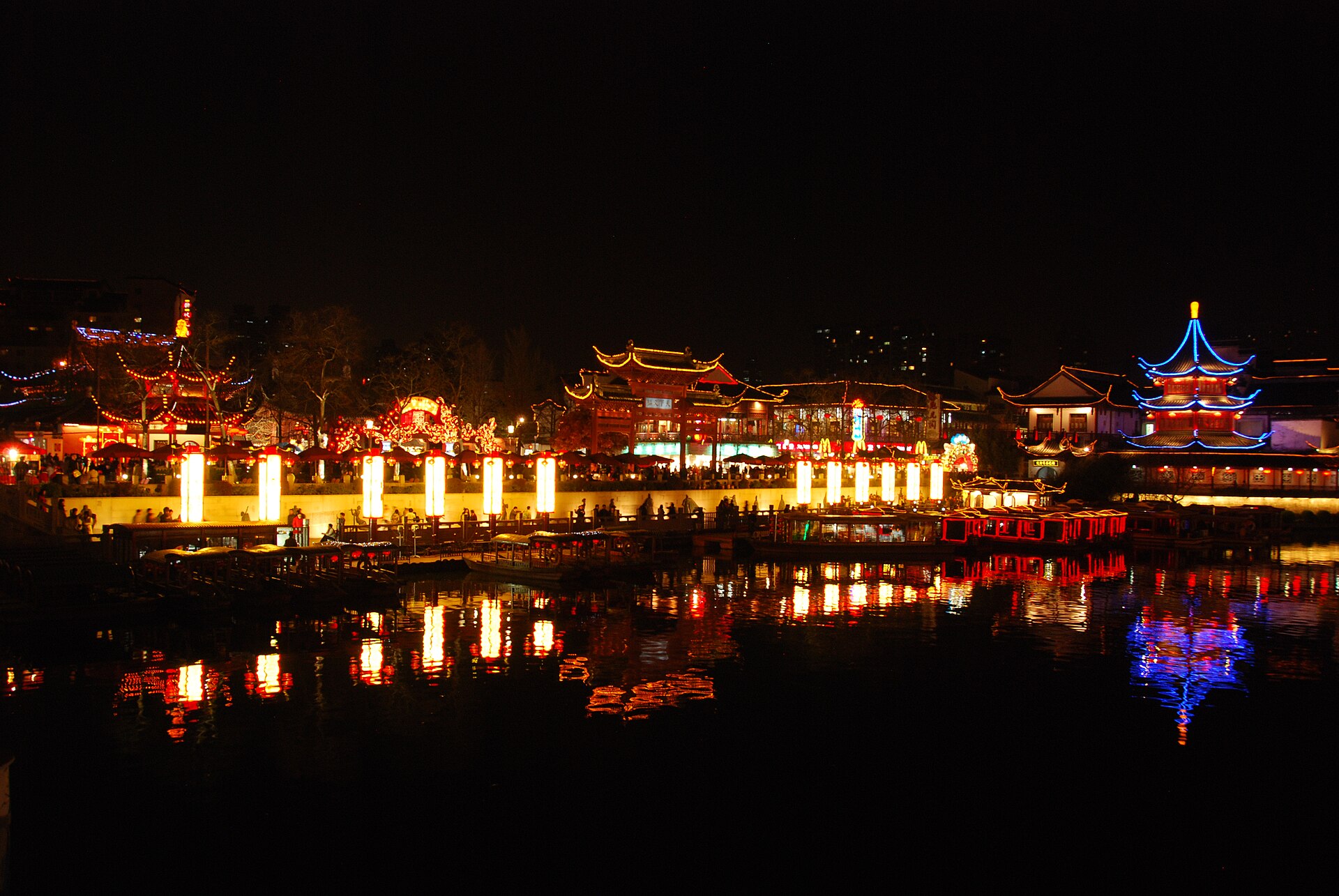
Historic commercial quarter, riverside lights, snacks, and evening walk
Confucius Temple and Qinhuai River after dark
- Best for
- A first-night landmark, bright river views, accessible food choices, and a compact central evening
- Why go
- The illuminated river and dense lanes create Nanjing's best-known night scene, while temples, examination history, shops, and food can be selected as separate stops.
- Best time
- Late afternoon through early evening on a dry weekday; holiday nights can be extremely crowded.
- How long
- 2-4 hours depending on whether you enter museums or take a boat.
Nearby pairings: Laomendong, Zhonghua Gate earlier in the day, Jiangnan Examination Hall, Sanshanjie
Practical note: Temple tickets, museum entries, and cruises are separate. Confirm the correct pier and return route, guard valuables in dense crowds, and do not build dinner around a single viral snack queue.
Everyday Nanjing dishes, neighborhood restaurants, and casual late food
Nanhu and central neighborhood food crawl
- Best for
- Duck blood vermicelli soup, salted duck, beef potstickers, noodles, and a less theatrical local meal
- Why go
- A focused food neighborhood gives more flexibility than the busiest scenic streets and makes it easier to try several small dishes without long cross-city transfers.
- Best time
- Breakfast for noodles and buns, or early dinner before popular small shops sell out.
- How long
- 2-3 hours with two or three modest stops.
Nearby pairings: Mochou Lake, Hanzhongmen, Xinjiekou on another evening, Hotel-side dessert or tea
Practical note: Choose only freshly busy shops, confirm whether duck-blood or offal dishes suit you, show allergies in Chinese, and carry a second payment method for small vendors.
Purple Mountain and city-edge days
Purple Mountain is a collection of separate large sights, not one quick stop; keep another half day for a slower riverside or rural-edge alternative.
Mountain monuments, imperial tomb landscape, and full-day historic route
Sun Yat-sen Mausoleum and Ming Xiaoling
- Best for
- Major Nanjing history, monumental architecture, wooded walking, and travelers comfortable with stairs
- Why go
- Together the Republican mausoleum and Ming imperial tomb landscape show two defining capital eras within the same broad mountain zone.
- Best time
- Start early on a dry, cool day; autumn color and spring blossoms increase crowds and transfer waits.
- How long
- 6-8 hours including scenic-area transfers; choose only one for a lighter half day.
Nearby pairings: Linggu Temple, Meiling Palace if access and time allow, Nanjing Museum on another day, Early dinner near the hotel
Practical note: Reserve each required site separately, save the exact gate, and verify internal shuttle stops. The long mausoleum stairs and stone paths are poor choices in ice, storms, or severe heat.
Historic rail-and-river landscape or seasonal city-edge hike
Pukou riverfront or Qixia Mountain
- Best for
- A slower half day, industrial heritage, Yangtze views, autumn leaves, or a second-time Nanjing trip
- Why go
- Pukou adds the north-bank railway and ferry story, while Qixia offers temple grounds and wooded slopes beyond the central sightseeing circuit.
- Best time
- Pukou in stable river weather; Qixia on a dry weekday, especially outside peak autumn-leaf weekends.
- How long
- Half to full day for either option, not both.
Nearby pairings: Yangtze ferry if currently operating, Nanjing Yangtze River Bridge viewpoint, Qixia Temple, No tight evening reservation
Practical note: Check current public access at Pukou Railway Station and live ferry operations before travel. For Qixia, verify the exact entrance, trail conditions, and road traffic; neither is a casual add-on to central Nanjing.
Suggested routes
Nanjing essentials in two days
One long outdoor history block per day, with the museum and evening plans kept close to the route.
- Day 1: Zhonghua Gate → Laomendong → Confucius Temple and Qinhuai River
- Day 2: Sun Yat-sen Mausoleum or Ming Xiaoling → Nanjing Museum if reservation timing works → central dinner
Three-day capitals and neighborhoods route
Adds museum depth and a local-scale walk without forcing every Purple Mountain sight into one day.
- Day 1: Nanjing Museum → Presidential Palace or Six Dynasties Museum → 1912 or Xinjiekou
- Day 2: Sun Yat-sen Mausoleum → Ming Xiaoling → early return
- Day 3: Xuanwu Lake → Yihe Road → Zhonghua Gate and Laomendong
Rain, heat, or storm fallback
Protect passport-linked indoor reservations and shorten exposed wall, lake, and mountain segments.
- Nanjing Museum timed entry
- Presidential Palace or Six Dynasties Museum
- A covered meal block near Xinjiekou or Nanhu
- Move Purple Mountain, wall walks, and Qixia to the safest forecast day
Quick answer for Nanjing
Xinjiekou for central metro connections, or the Xuanwu Lake and Nanjing Station side for easier lake, wall, and Purple Mountain starts.
One large history or mountain anchor, one defined neighborhood walk, and an evening meal close to the day's final metro stop.
Yihe Road, Laomendong's side lanes, Pukou Railway Station surroundings where access permits, and the streets around Nanhu for everyday food.
Use one compact Qinhuai, Xinjiekou, or 1912-area plan, then save the exact metro exit and hotel return before crowds or trains thin out.
Live planning check
Nanjing seven-day weather
Forecasts can change and do not replace attraction or safety notices. Weather data by Open-Meteo.com · CC BY 4.0
Apps for this city
Prepare these before arrival

DiDi China
Ride hailing, pickup points, and driver messaging
First-city transport and late arrivals
Alipay
Payments, transport QR codes, and local services
Payment setup and wallet fallback
Messaging, payments, mini programs, and service accounts
Payment and communication backup
Google Translate
Downloaded languages, camera translation, and typed phrases
Signs, menus, labels, and staffed helpFrequently asked questions
Can I combine every Purple Mountain sight in one short visit?
Do not assume so. Pick one or two priorities, confirm each reservation and gate, and include scenic-area transfer and weather margin.
Are Nanjing's city-wall sections connected for visitors?
Not necessarily. Choose a currently open entrance and section, then confirm the exit and onward transport before climbing.
What is a useful rain or heat plan in Nanjing?
Use a reserved museum, shorten exposed wall, lake, or mountain routes, and keep extra metro or road time around major stations.